mai
24
2013

Carousel Banner

  • Advertisement
  • Advertisement
  • Advertisement
  • Français
  • English
  • Español
P2230007.jpg
Presentation of the breed PDF Print E-mail

The history of the Gascon

d?bardage au pays de Sault1950? Camps

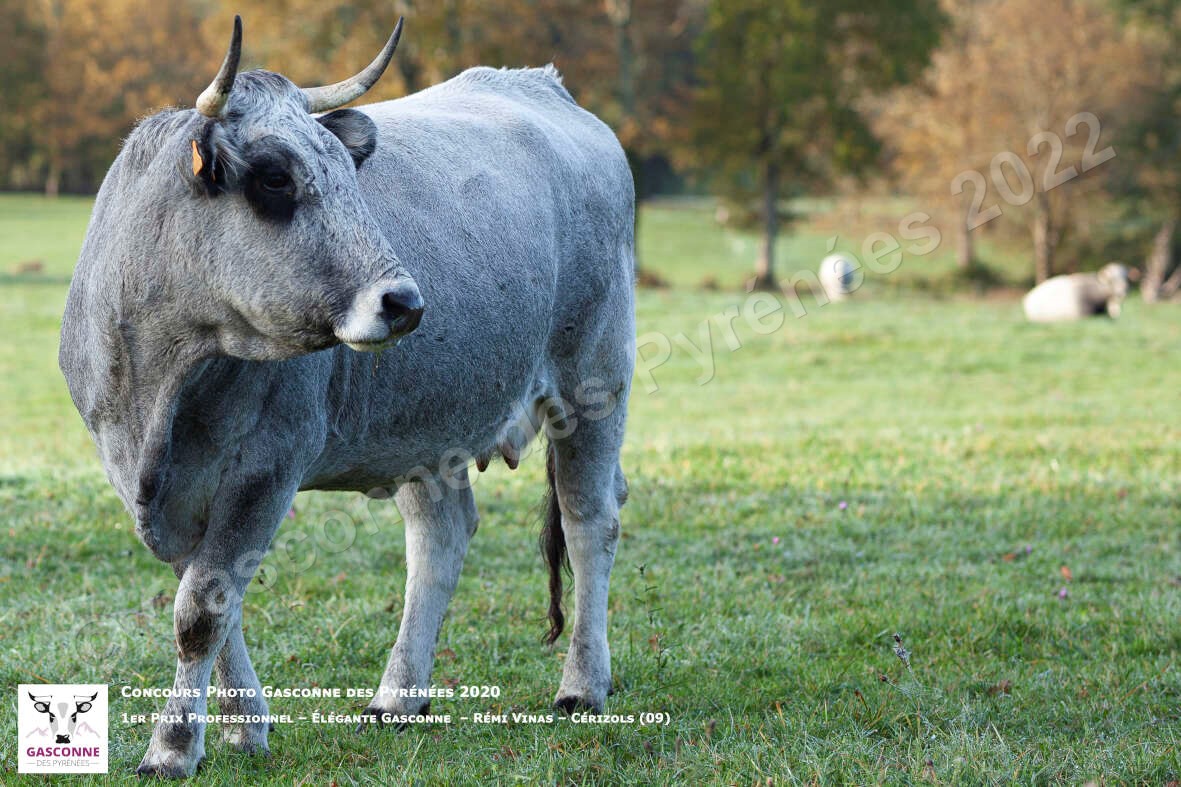
In the 16th century one already mentions the bovine livestock of the center of the Pyrenees under the term of Gascon.
These animals, part of the big branch of the grey breeds of Central and Southern Europe have undergone several influences; Asians, Alpine, Iberian and Occitanes bound to the displacements of populations (exodus and invasions).

These local and independent evolutions cleared on stumps of related genetic types. The backing of the means of exchange and communication has little by little standardized the Gascon. The search for bigger animals, even better adapted to the works of soil and traction developed the bovine Gascon trade also between highlanders and breeders of plains and hills. This way was naturally more favorable to the consolidation of the skeleton and the musculature.
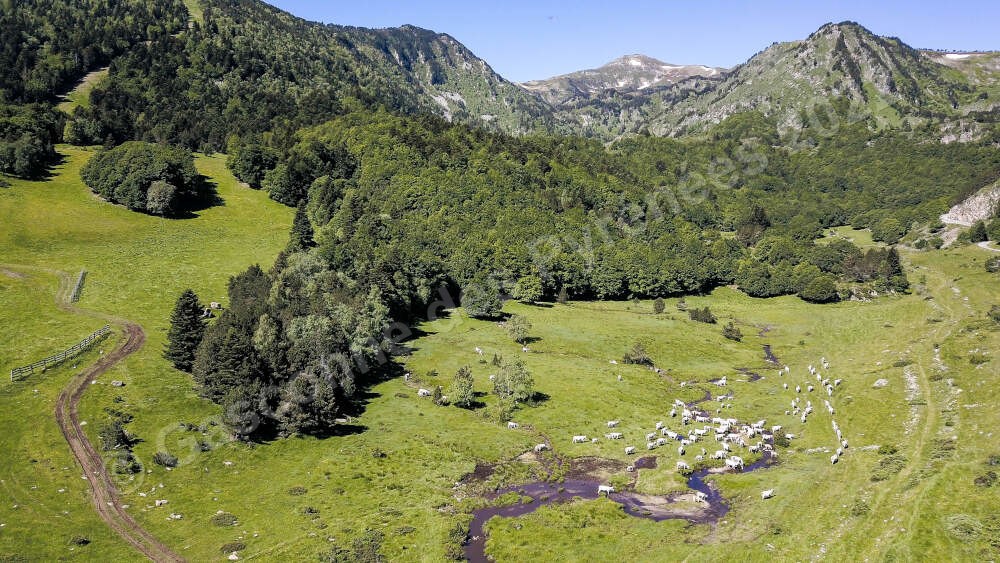
The Gascon is today the cow "multiservices" adapted to all systems of production. The creation of the first Herd Book Gascon dates 1865: the breed spreads since on the set of the Pyrenees, of the Atlantic to the Mediterranean and until the north of the valley of the Garonne. Its qualities tempted many foreign breeders who complete today its references.

Where to find the Gascon?

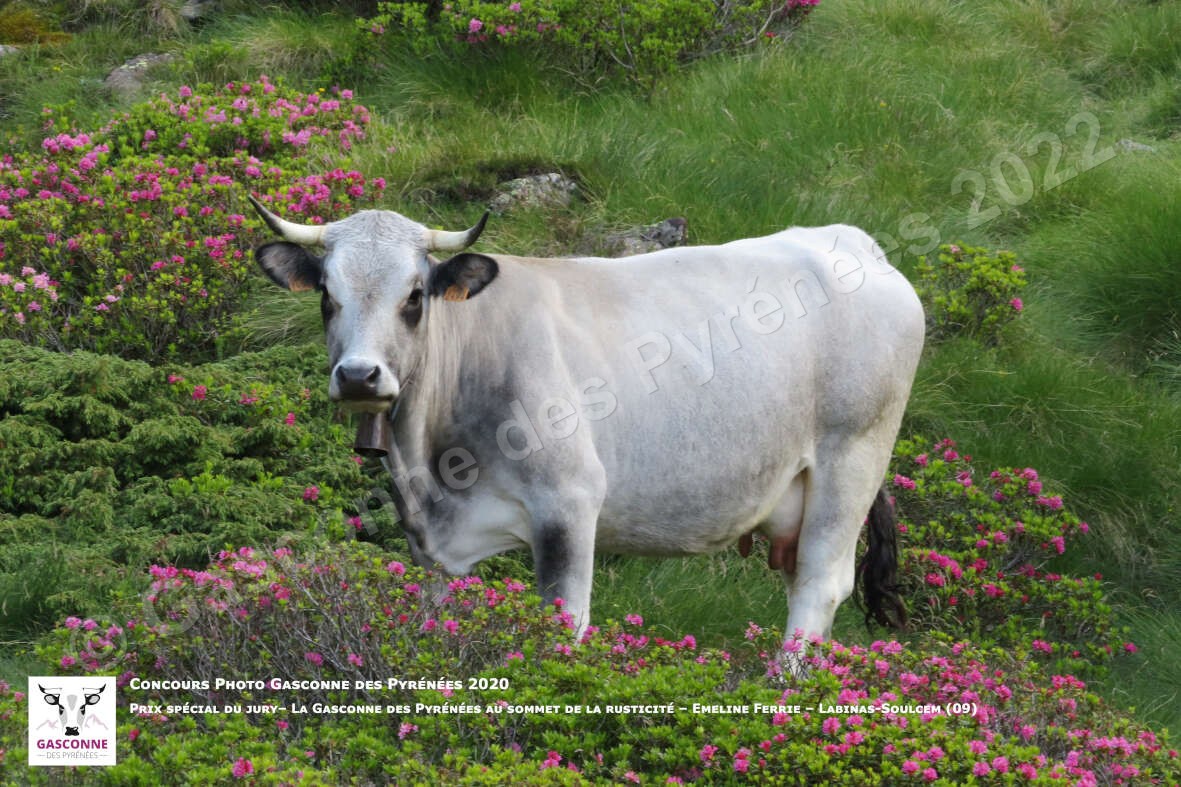
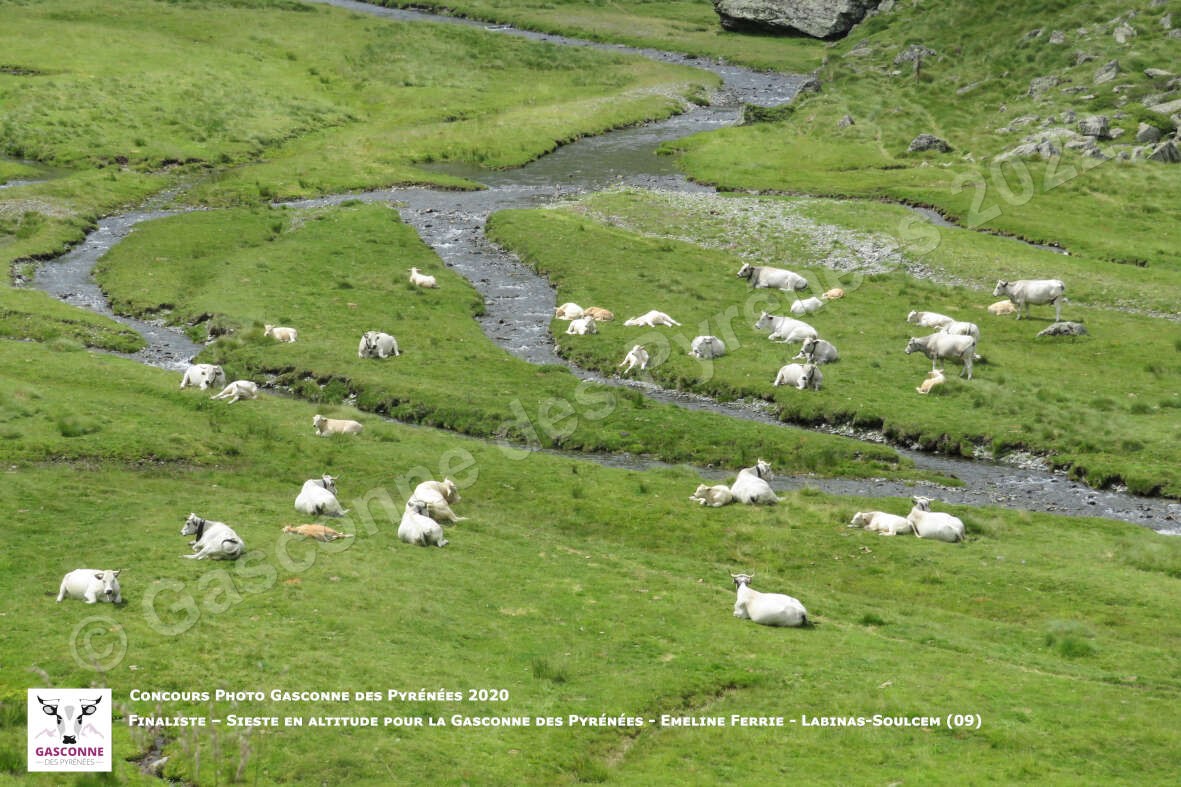
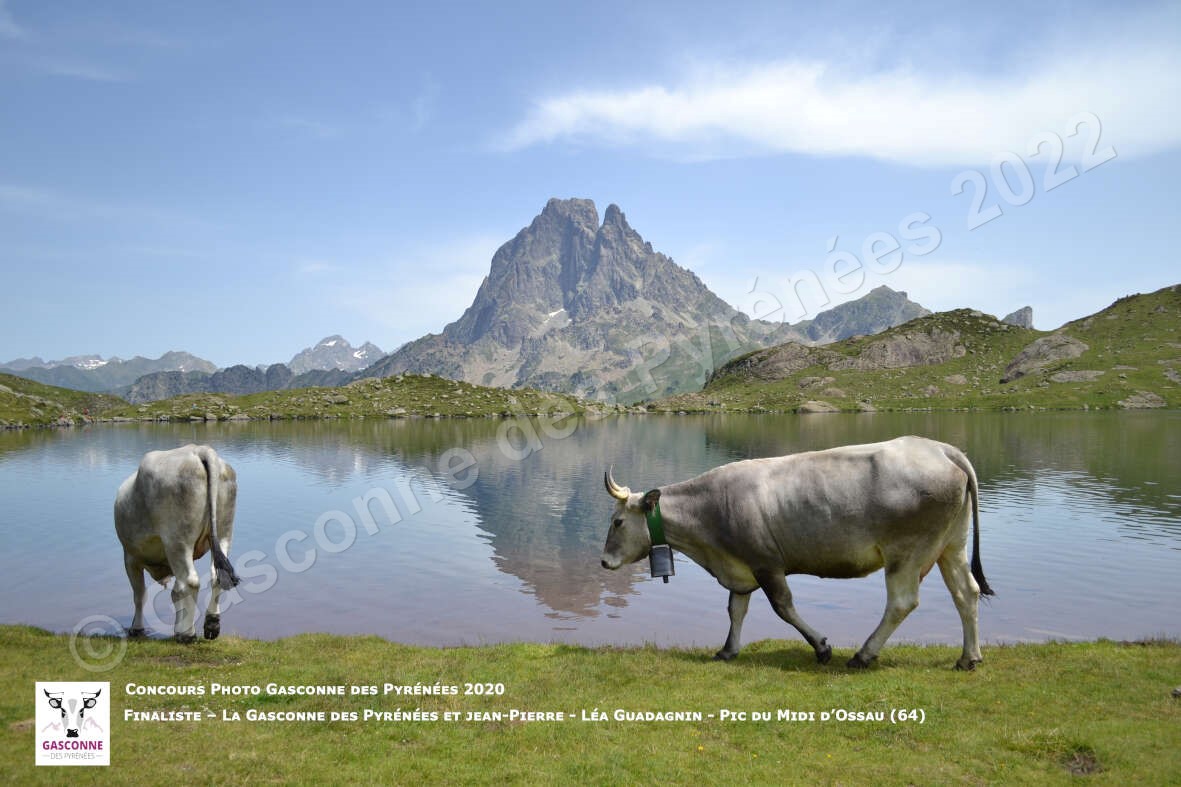
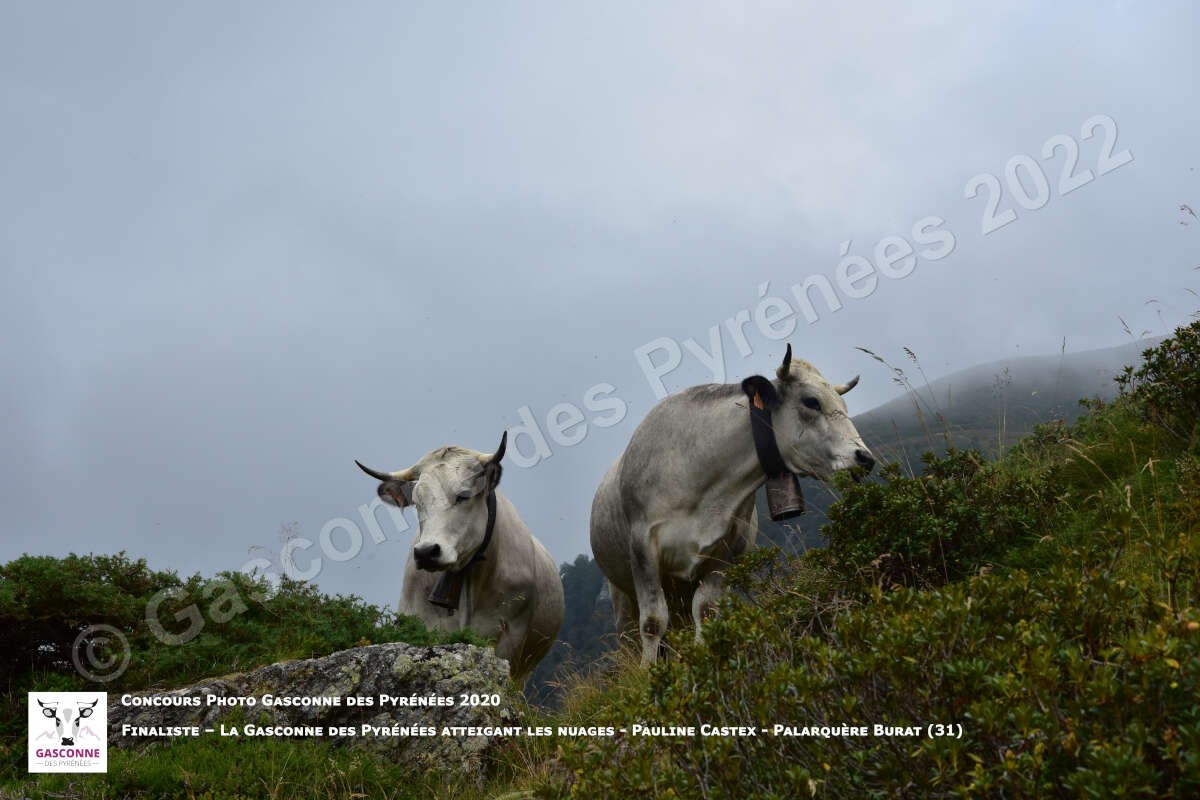
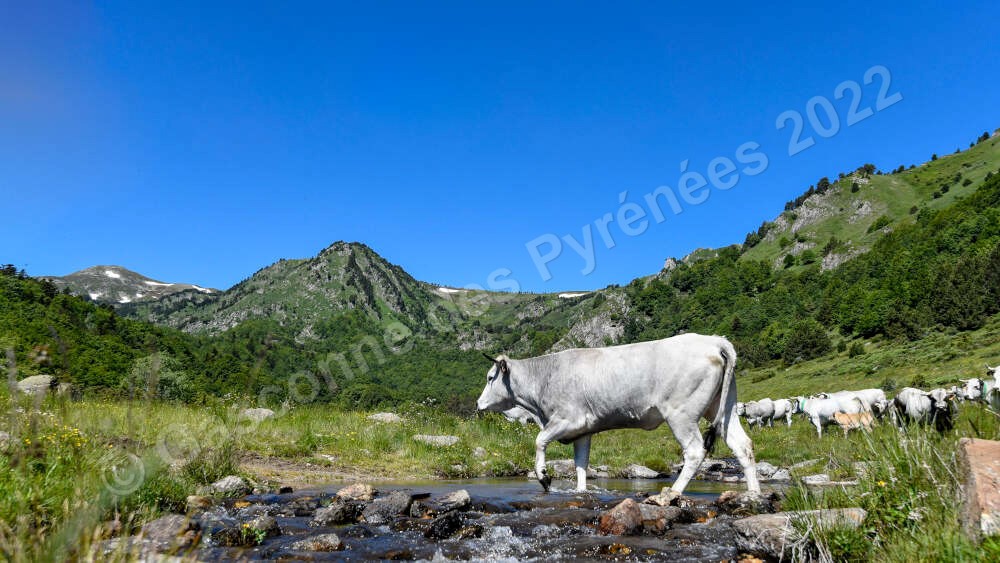
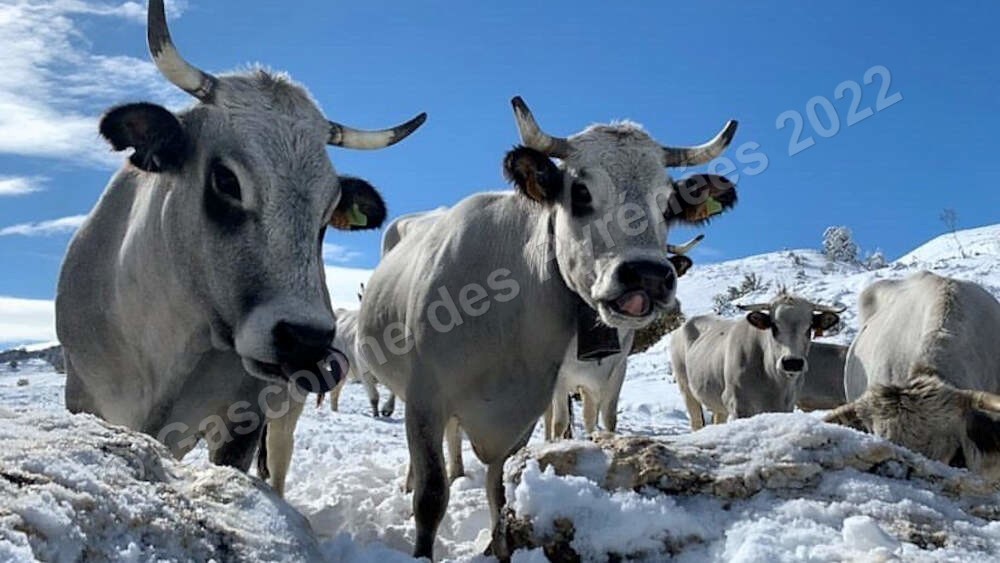
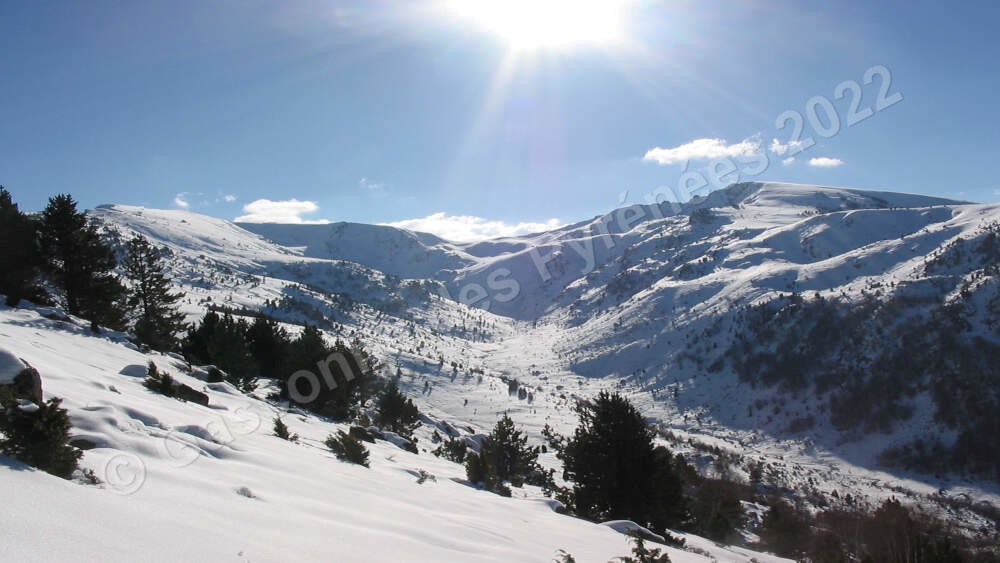
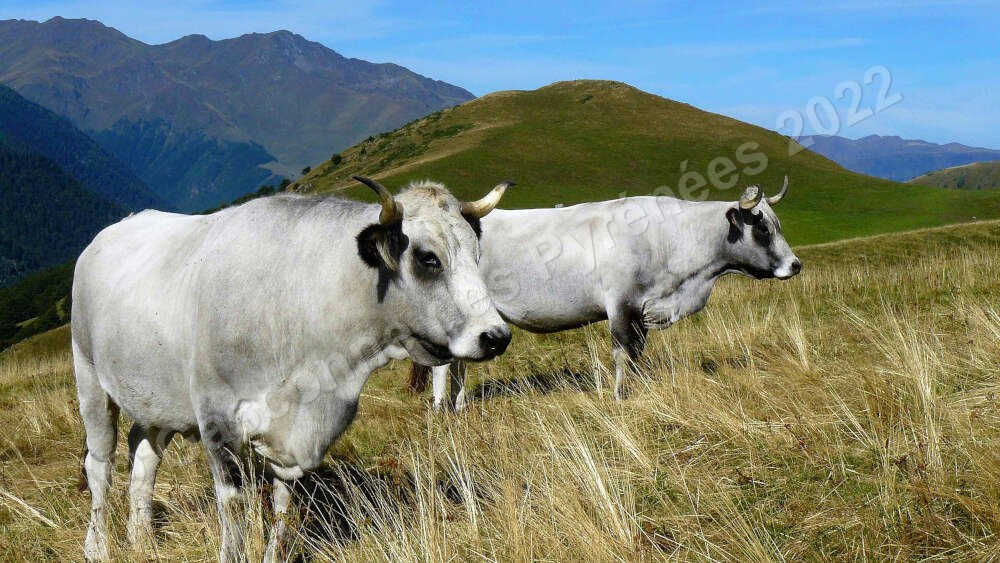
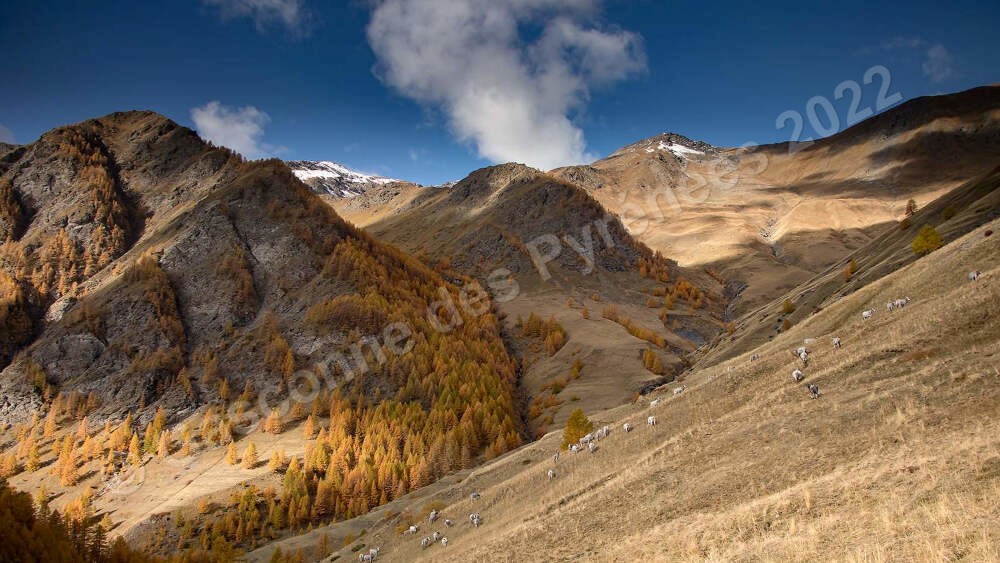
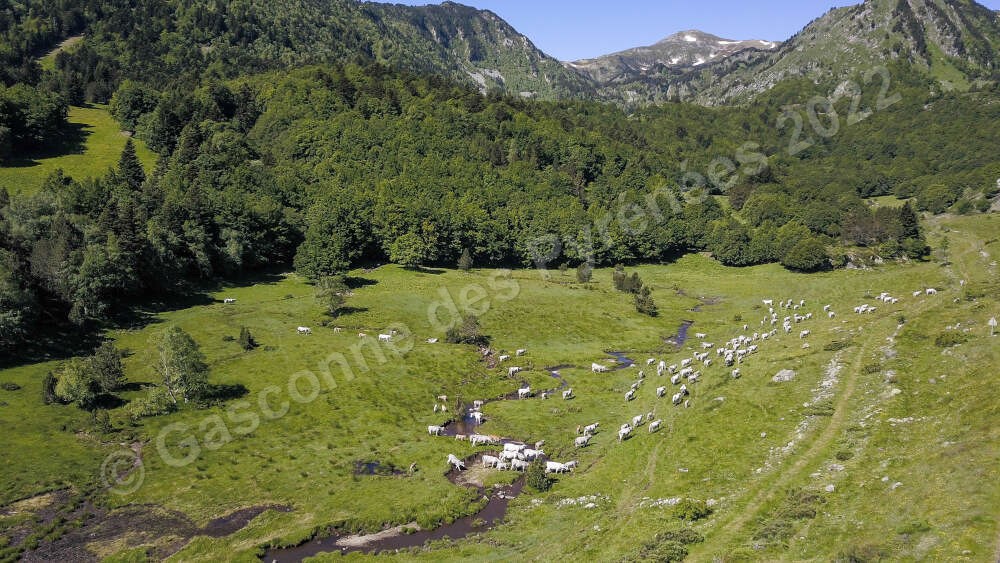
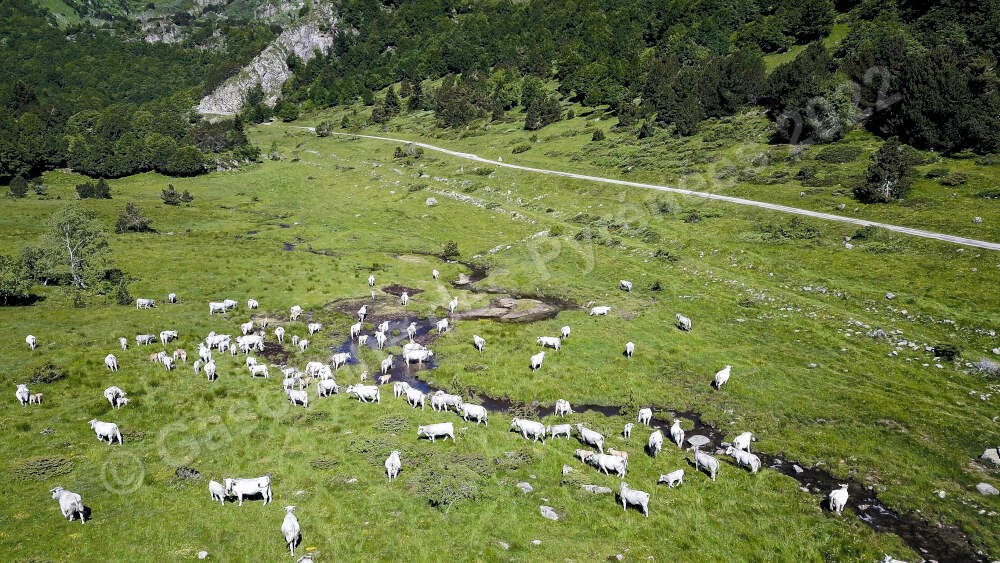
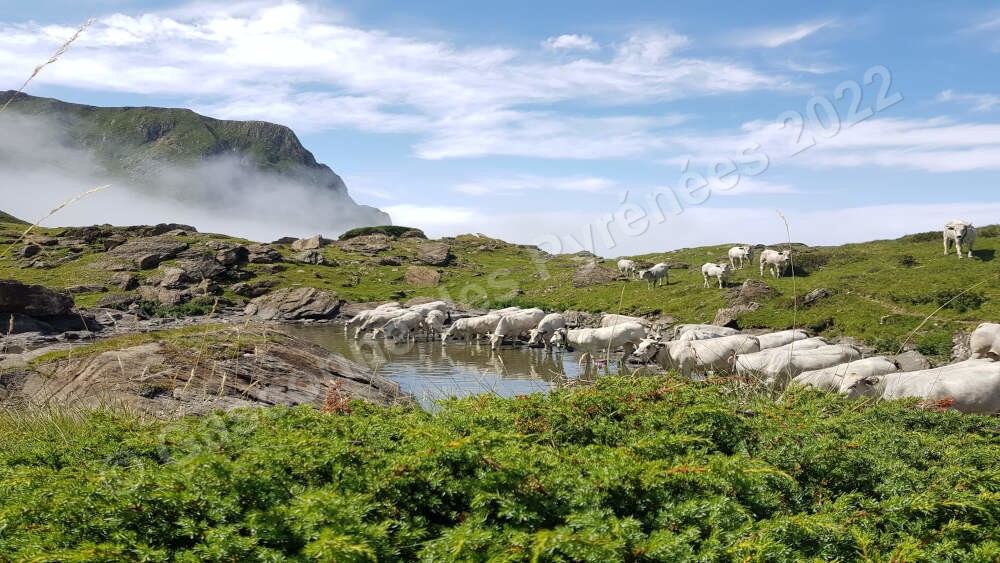
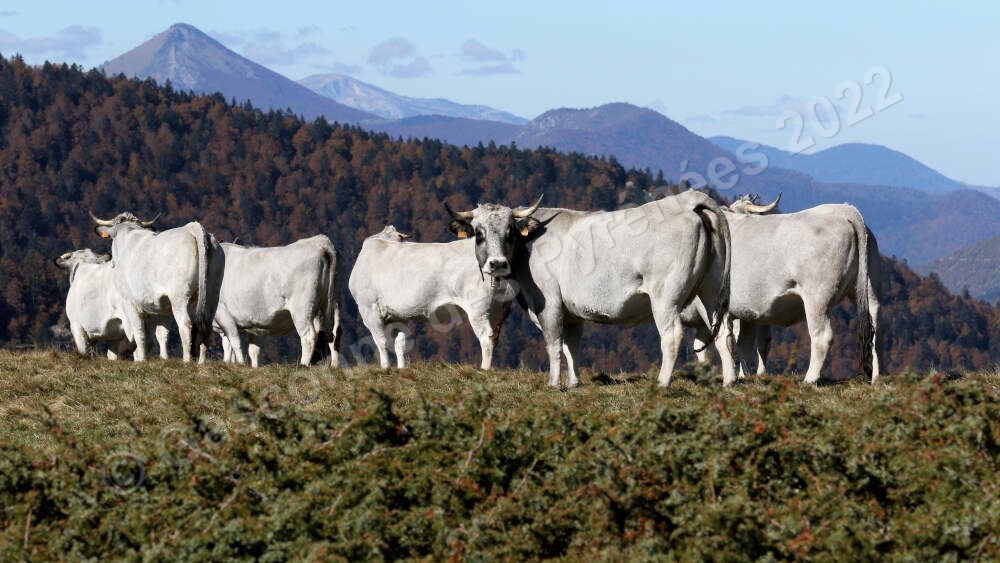
Born in a mountain area, in the marked seasons, known to be the roughest of the French territory, the Gascon supports the extreme climates.

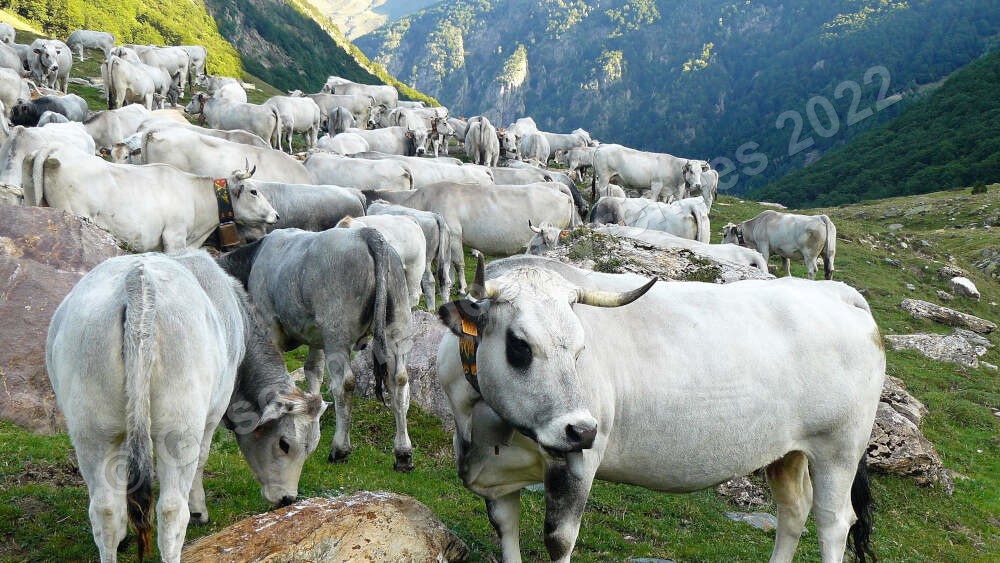
These natural capacities explain its large implantation on the mountainous chain of the Pyrenees (Midi-Pyrenees and Languedoc-Roussillons) as well as in Corsica and in the Alps of the South. But its remarkable qualities also allowed him to become implanted in the surroundings as varied as the hills of United Kingdom, the Polders in Netherlands, the Andean chain in Chile or to Paraguay, the equatorial forest of Guyana, the dry zones of Spain, the ruggedness of the continental climate of central Europe....

This implantation translates the qualities of resistance well to heat, walking ability, the capacity to valorize the coarse fodder, but also a strong growth potential in difficult zones.

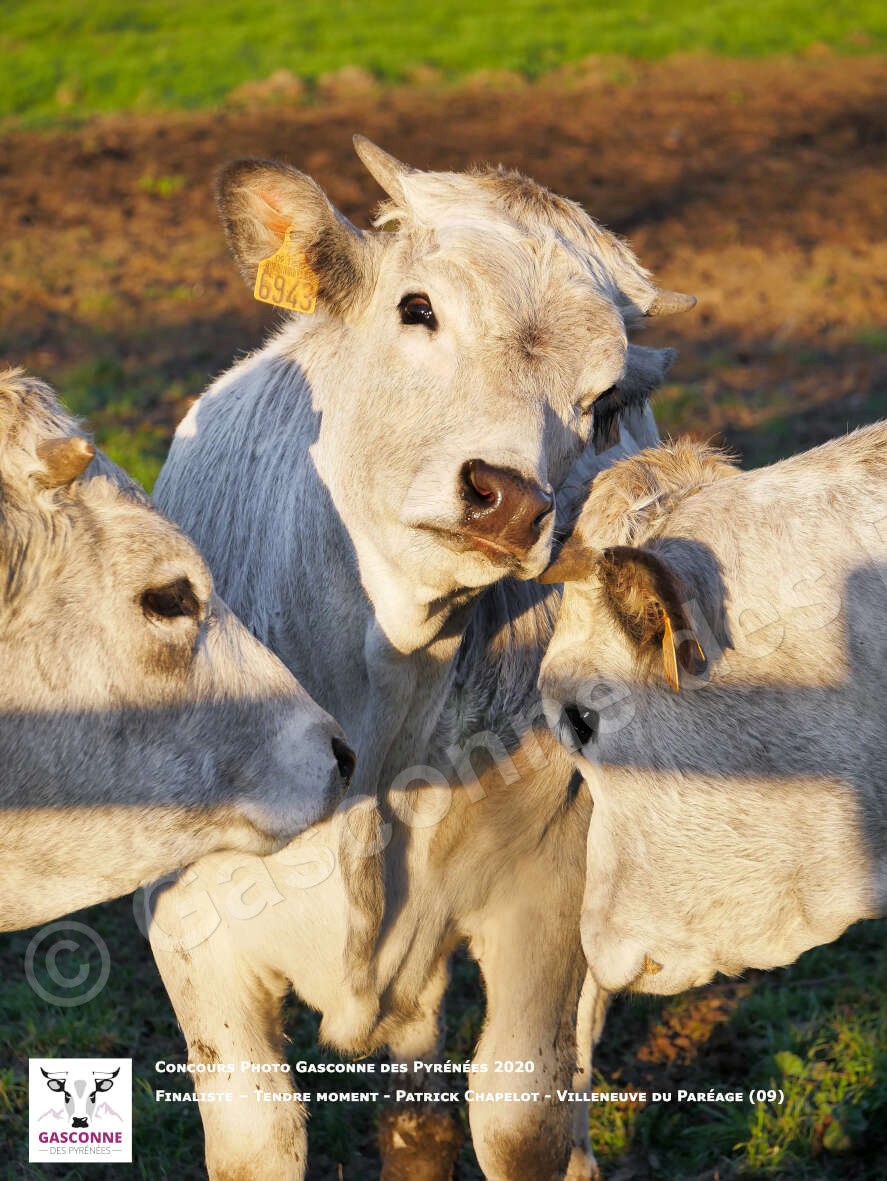
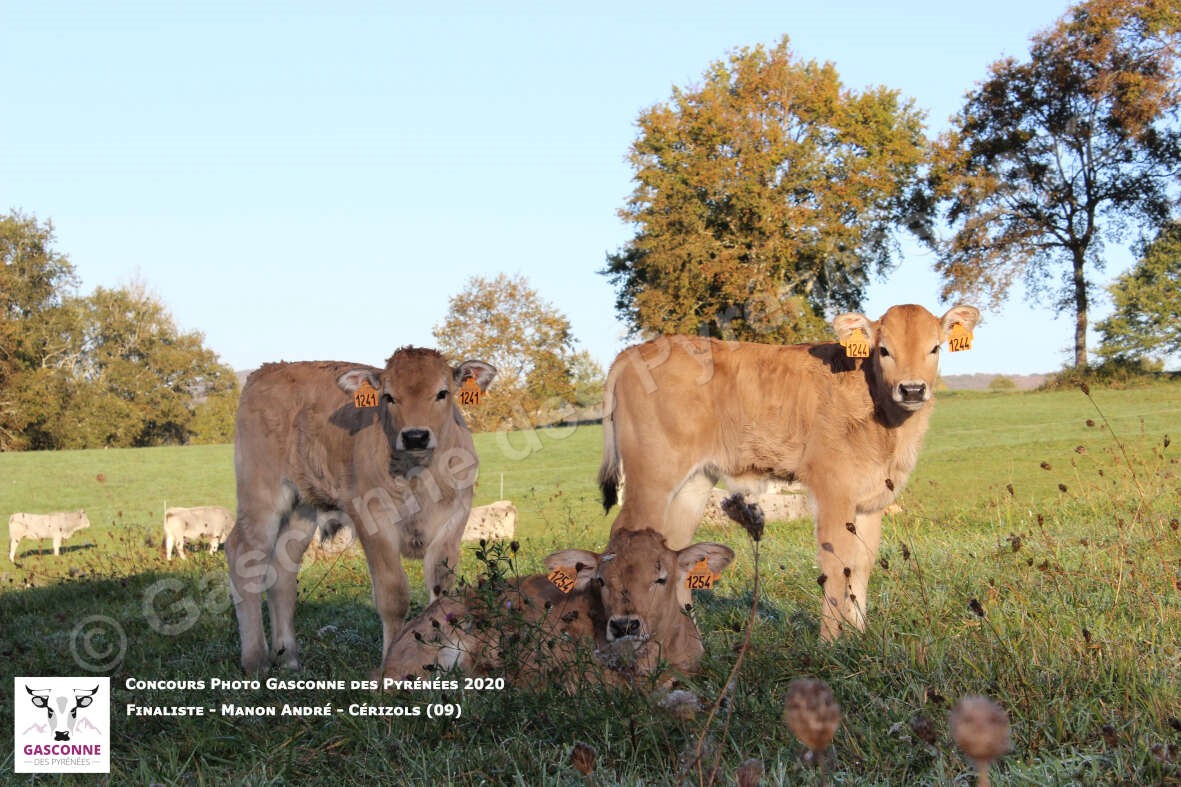
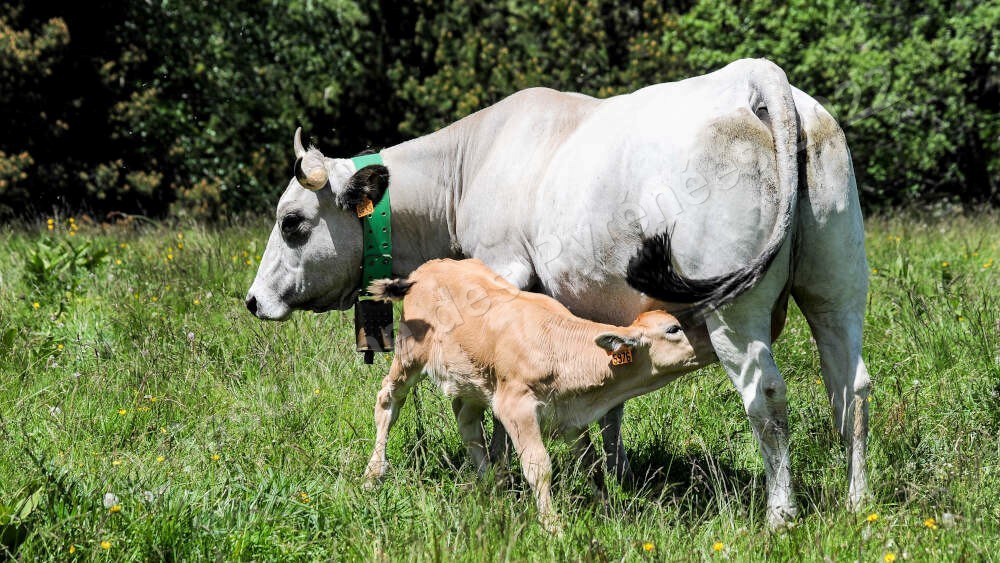
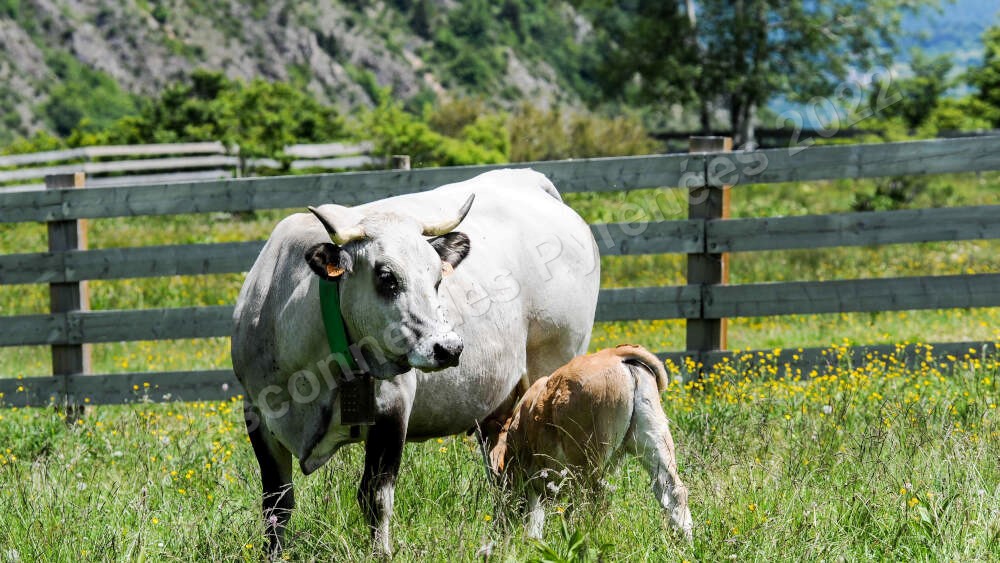
vache et veau

The assets of the Gascon cow

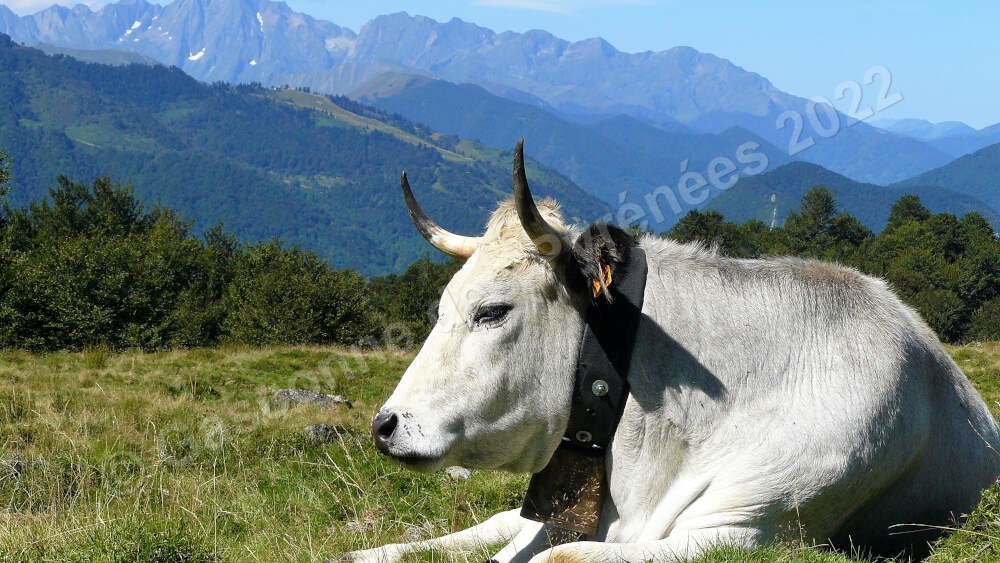
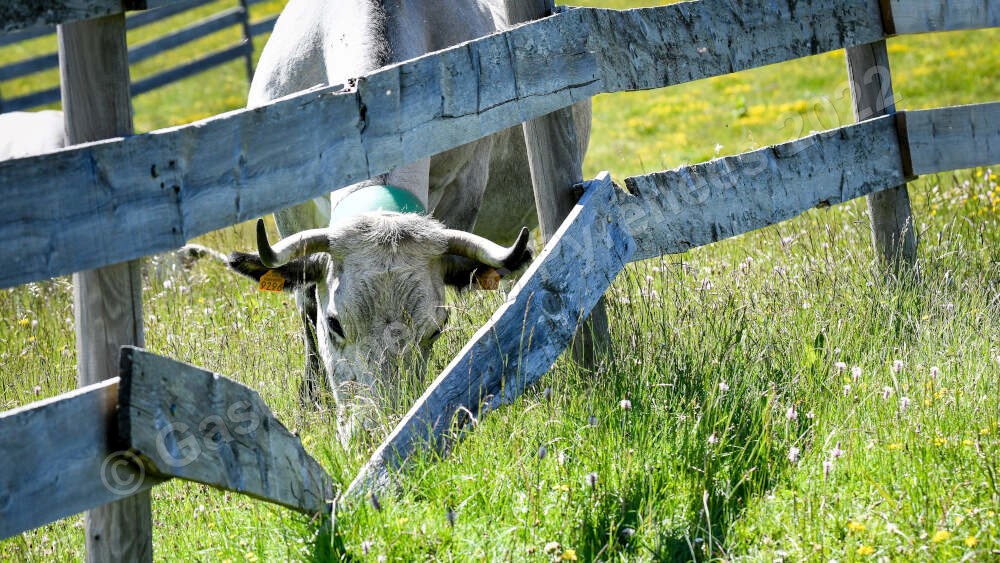
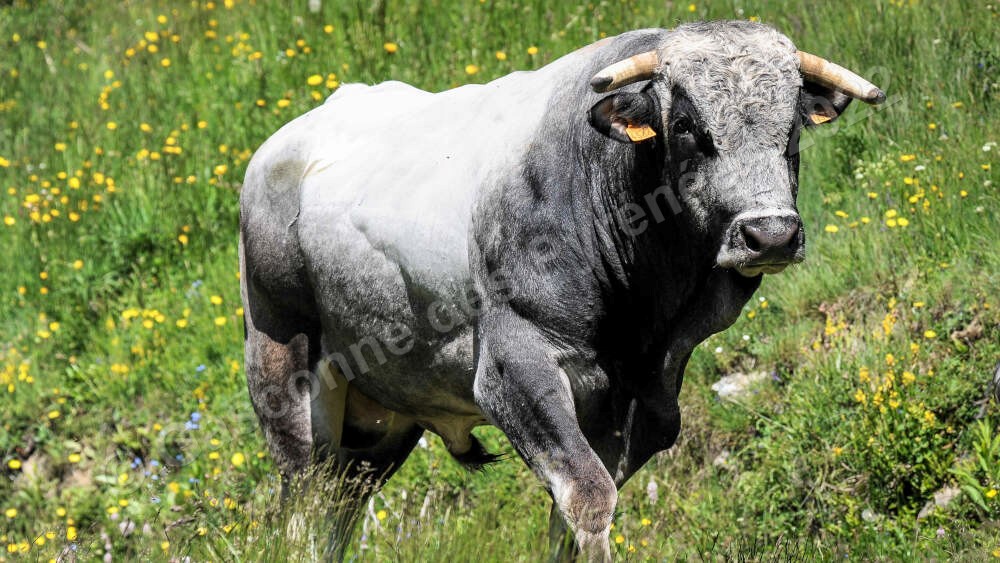
The Gascon inherited from its past in the difficult conditions of the Pyrenean mountains, the qualities of original adaptations: of the strong legs on resistant black hooves. It is in particular the quality of /its hooves that allows the Gascon to externalize its ability to cover large surfaces, toward the summits of mountains where the grass is sparse.
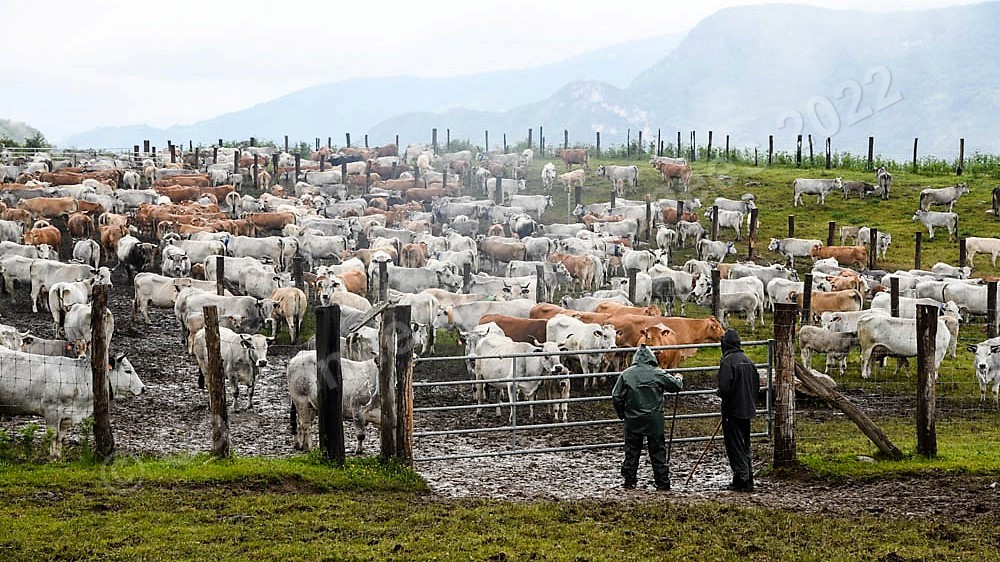
It is again thanks to this hard horn that at the time of intensive fattening on slats or concrete, feet and leg problems are rare. The Gascon is adapted therefore perfectly to the extensive system, with a particularly competitive maintenance cost. On the other hand, in the fattening shed, it is capable of making the most of the rich rations (maize silage and soya) thanks to /its good potential for growth. The Gascon is therefore capable to meet the expectations of the breeders in extensive systems, but also to those of the fattening zones. The fatteners of the Po plain in Italy were not mistaken of this since the Gascon is very present in this region.
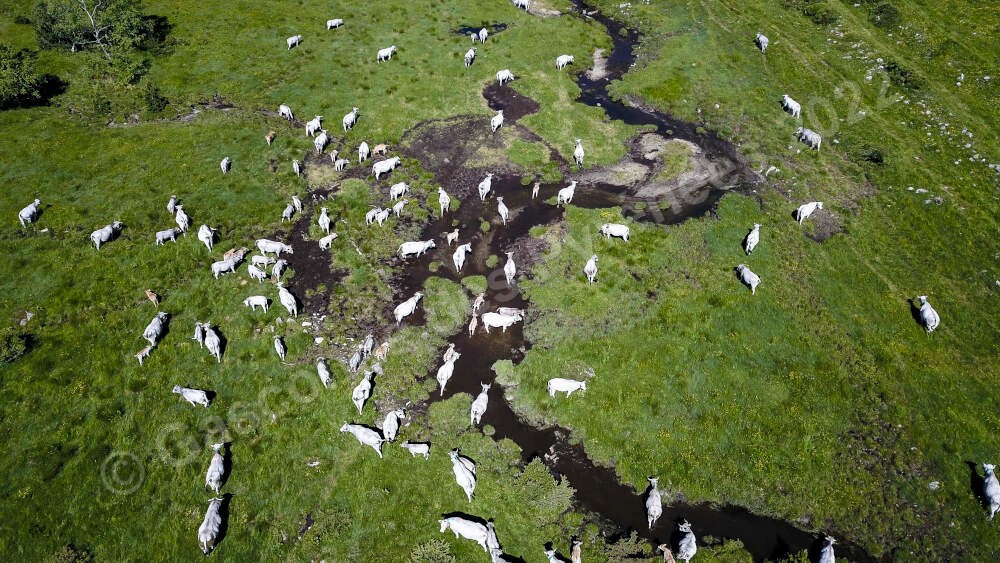
For some years, l'Alsace, another zone of fattening, also became fond of the Gascon steers for their competitive production cost.

 
< Prev